Why Another Government Shutdown Could Hit You Harder Than the Last One

ADVERTISEMENT
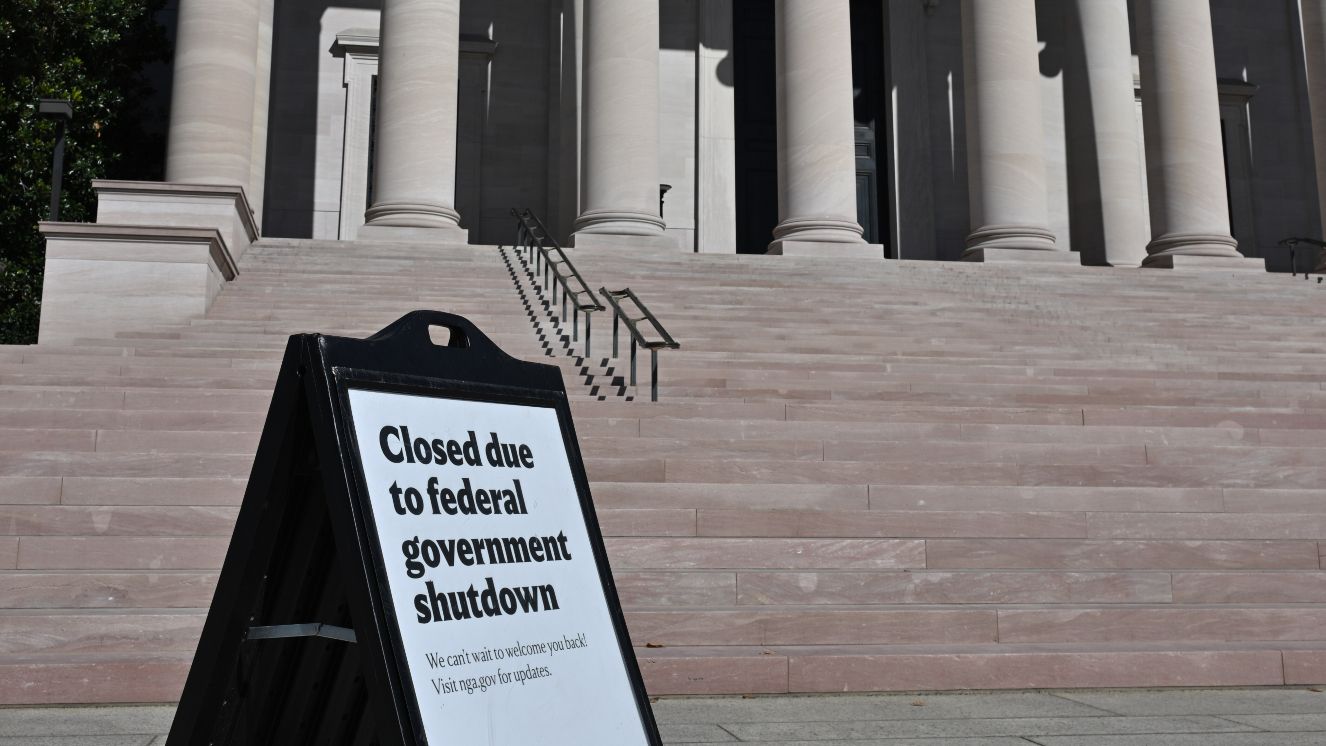
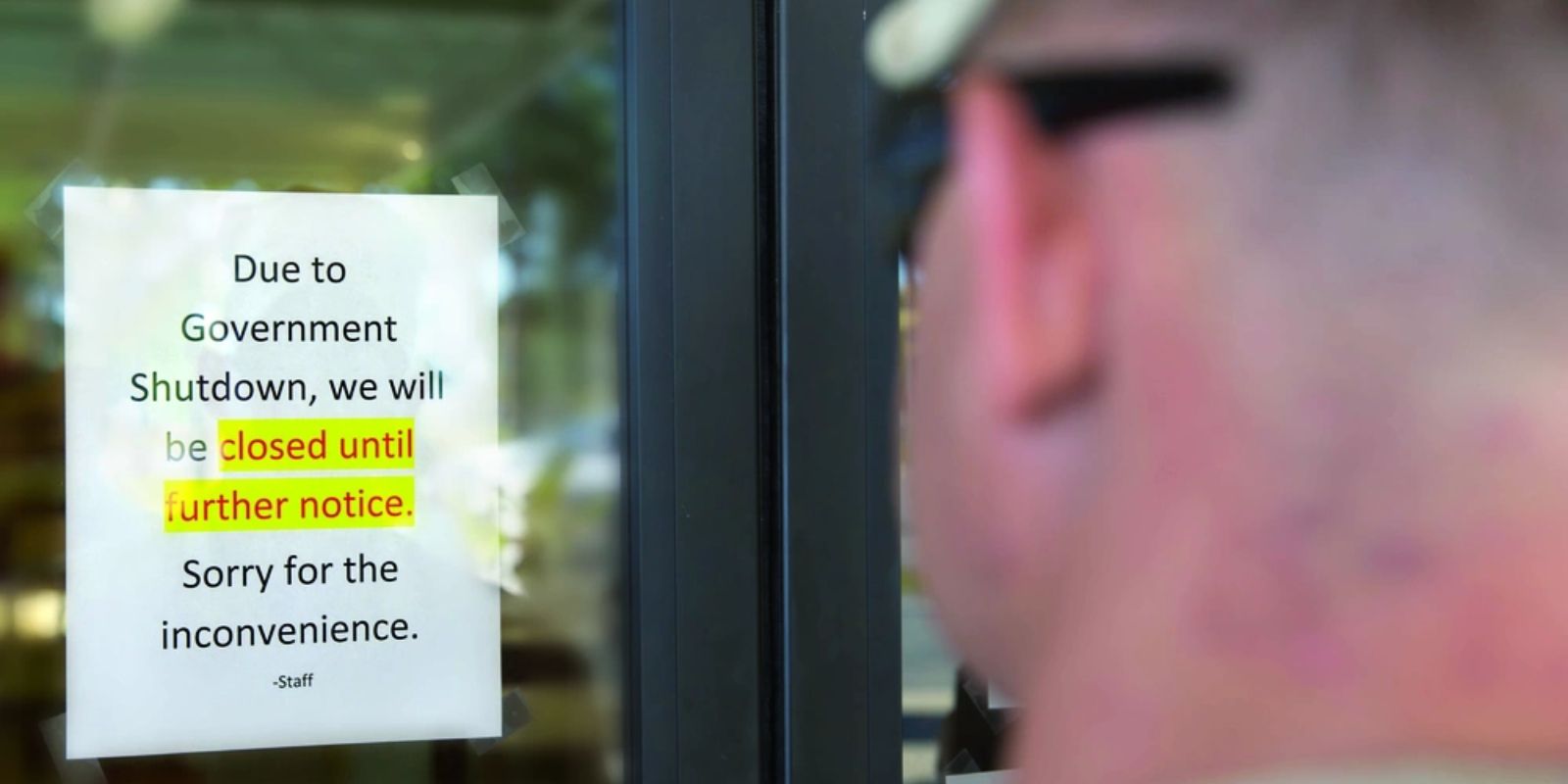
Congress just survived the longest government shutdown in US history. 43 days without full funding left military families scrambling and federal workers desperate.
Now, another government shutdown looms on January 30, 2026.
You might think lawmakers learned their lesson, but the reality paints a different picture. Multiple conflicts are eating up the limited time Congress has to pass funding bills. Your paycheck, your mission, your family's stability—all of it hangs in the balance again.
This article breaks down what's happening in Washington and what it means for your household.
Is There Going to Be Another Government Shutdown?
The odds increase with each passing day.
Lawmakers face a January 30th deadline with minimal time to negotiate. Competing priorities are eating up the limited legislative calendar.
Your representatives have the will to avoid a repeat of last year's disaster. They don't have the time or focus to guarantee it won't happen.

Nobody Prepared You for Military Life
But we can help. Join over 100k spouses already getting the advice, resources, and military tea they need to thrive.
What Lawmakers Are Trying to Pass
Congress released a bipartisan spending package on January 5th. The three-bill bundle covers Commerce, Justice, Energy, and Interior departments. It totals roughly $174-$180 billion.
Sounds promising, right?
Here's the problem. You need 12 appropriation bills to fund the entire government. Lawmakers only passed three last year. This new package covers three more. That leaves six bills still on the table with the clock running out.
Your Defense Department funding? Still stuck in negotiations. The bill that pays for your healthcare, training, and operations remains one of the hardest to pass.
Why Your Defense Funding Is Stuck
The Defense bill keeps getting turned into a political battleground.
Lawmakers know this bill must pass for national security—your training depends on it. Your equipment depends on it. Your mission readiness depends on it. That makes it a target for controversial policy riders that couldn't pass on their own.
Venezuela complicates everything. President Trump's recent military action there happened without telling Congress first. Senators now want to add language to your Defense funding bill that would block future military action without congressional approval. That turns your budget into a constitutional fight between the White House and Congress.
Your Defense bill already got rejected once. Democrats blocked it during last year's 43-day shutdown. The same tensions that killed it then still exist today.
Congress is also trying to add detailed spending rules to prevent the White House from changing how your money gets spent after the bill passes. More restrictions mean more negotiation time. More negotiation time means higher shutdown risk.
Why the January 30th Deadline Feels Impossible
Your representatives return to work with impossibly tight schedules. The House gets 12 legislative days in January. The Senate has 15 days. Both chambers take separate week-long breaks at different times.
You can't negotiate complex spending bills when you're not in the same building.
Multiple crises are devouring what little time exists. The Jeffrey Epstein files investigation has lawmakers demanding testimony from high-profile figures. Depositions are scheduled for January 13th and 14th—right in the middle of funding negotiations.
A dispute over a Colorado research center already derailed one spending package. Two Democratic senators blocked progress in December after the White House threatened to dismantle the National Center for Atmospheric Research in Boulder. That fight cost Congress weeks it can't get back.
Your representatives are juggling too many fires at once.
The math simply doesn't work.

ADVERTISEMENT
What Another Government Shutdown Means for You
Last year's shutdown taught us brutal lessons about what happens when Congress fails.
The Impact on Service Members
You showed up to work every day during the last shutdown. Your dedication never wavered. But you watched missions get delayed. Training exercises got cancelled. Equipment repairs stalled. Supply orders froze.
You still had to be mission-ready with your hands tied behind your back.
As a military spouse, I watched my service member come home defeated night after night. The frustration of being expected to perform without the resources to do your job eats away at morale. You feel the weight of serving a country that can't get its budget in order.
Your quality of life takes a direct hit, too. You might worry about making rent. Grocery bills don't stop because Congress can't agree. Car payments come due whether the government functions or not. You need stability to focus on your mission. Another government shutdown strips that away.
Your Military Spouse Loses Income Too
Your spouse finally landed that federal job on base. That stable income helps your family handle frequent moves. Health insurance through their employer provides backup coverage. Career progression seemed possible despite the military lifestyle.
Another government shutdown furloughs them again.
Dual military income families face even harder choices. Your active duty pay status remains uncertain. Congress guarantees backpay, but the timing of actual paychecks during a shutdown varies. Your spouse's federal salary definitely stops. Your family could be covering all expenses on zero current income or watching one paycheck entirely disappear. Childcare costs don't pause. Neither does the car loan, or credit card payments.
Your spouse spent the last two months climbing out of the financial hole from the previous shutdown. Savings accounts barely recovered. Emergency funds got depleted paying for groceries and utilities during those 43 days. Credit card debt from covering the gap hasn't disappeared.
Now they face the same uncertainty—faster than anyone expected.
The psychological toll hits hard, too. Your spouse chose federal employment for stability. The military lifestyle already creates enough uncertainty with deployments, TDYs, and PCS moves. Federal work was supposed to be the reliable constant.
Two shutdowns in three months destroy that illusion.
ADVERTISEMENT
Base Services Grind to a Halt
Your family depends on services staffed by federal employees. Another government shutdown doesn't just impact paychecks. It dismantles the support structure that keeps military families functioning.
Remember last year's delays?
Permanent Change of Station orders stalled. You couldn't move to your next duty station because the offices processing your orders weren't fully staffed. Your family lived in limbo. Kids stayed enrolled in schools you were supposed to leave. Housing arrangements fell through. Career progression got delayed.
Tuition assistance requests sat unprocessed. You wanted to finish your degree during your off-duty time. Education offices couldn't help you. Your semester started without financial aid confirmation. You paid out of pocket or dropped classes entirely.
Your children's schools almost closed. After-school programs paused or were cancelled completely. Child Development Centers reduced hours or cut the number of children they could accept. You scrambled to find alternative childcare. Your spouse couldn't work without reliable care. Your mission requirements didn't change just because the CDC shut down.
Base libraries closed. Fitness centers operated with skeleton crews. Support services that make military life manageable vanished.
Your family's entire support system collapsed.
You Pick Up Extra Workload
Your federal employee counterparts didn't come to work during the shutdown. Their desks sat empty, yet their responsibilities didn't disappear.
You absorbed them.
Your section already runs lean. Adding civilian workload on top of your military duties creates impossible situations. You're expected to maintain the same operational tempo with fewer people. Mission requirements don't adjust because Congress can't pass a budget.
You work longer hours. You skip lunch. You stay late finishing tasks that aren't your job. Your family sees less of you. Your stress levels spike. Your own performance suffers because you're covering two positions.
The military doesn't stop operating during shutdowns. You just operate understaffed and overworked.
Some civilian positions directly support mission-critical functions. When those employees get furloughed, you fill gaps you're not trained to fill. Quality suffers. Mistakes happen. You feel the pressure of doing work outside your expertise while your actual responsibilities pile up.
Another government shutdown means doing it all over again.
Critical Programs Lose Funding
Government assistance programs that military families rely on face uncertain futures during shutdowns.
WIC benefits help military families with young children afford proper nutrition. Funding interruptions force you to choose between formula and other necessities. Your infant doesn't care about congressional gridlock.
Base commissaries might reduce hours or services. Your grocery budget already stretches thin. Limited commissary access forces you to shop off-base at higher prices. That $50 difference per week adds up fast.
Housing allowance processing can slow down. You need BAH to pay rent. Delays create late payment situations that damage your credit. Landlords don't care that Congress missed a deadline.
Military treatment facilities remain open. Military doctors and nurses keep working. But when federal employees who handle scheduling, records, lab work, and administrative tasks get furloughed, your care gets more complicated. Appointments take longer to schedule. Wait times increase. Your child's specialist visit that took months to arrange might get rescheduled because military providers are covering administrative duties on top of patient care. Prescription refills take longer to process when pharmacy techs are furloughed.
TRICARE processing slows. Claims take longer. Referrals to civilian providers stall. Your family's healthcare access suffers because the administrative staff has been furloughed.
Legal assistance offices operate with reduced capacity. You needed help with a power of attorney before deployment. The JAG office can't see you because they're understaffed. Your deployment doesn't wait for Congress.
Family support programs lose funding. Marriage counseling, financial planning assistance, and transition services disappear or reduce availability. Your family needs these resources. Another government shutdown takes them away.

ADVERTISEMENT
Why This Shutdown Could Hit Harder
You haven't recovered from the last one. Your savings account might still be rebuilding. Credit card debt from covering expenses during the 43-day shutdown hasn't disappeared. Emergency funds got depleted.
Another government shutdown starting January 30th gives you no cushion.
The psychological toll compounds, too. You weathered one storm. The stress of preparing for another so soon breaks down your resilience. Your family's sense of security erodes each time Congress plays chicken with your paycheck.
Military installations saw tragic consequences last time. The suicide* at Creech AFB wasn't an isolated incident of financial desperation. Multiply that stress across every base in America. Add the knowledge that it's happening again—faster than anyone expected.
Your mental health matters. Your financial stability matters. Another government shutdown threatens both before you've had time to recover.
What You Can Do Right Now
Don't wait passively for Congress to figure this out.
Contact your representatives immediately. Call, email, write letters. Do it repeatedly. Tell them your story. Explain how the last shutdown impacted your family. Make it clear that another government shutdown is unacceptable.
Your voice carries weight. Lawmakers respond to constituent pressure.
Start preparing realistically (not frantically). Review your budget. Identify expenses you can temporarily reduce. Check your emergency fund. Talk with your family about contingency plans. Reach out to base financial counselors now—don't wait until funding lapses.
Key contacts:
- House of Representatives: Call the Capitol switchboard at (202) 224-3121 or visit house.gov/representatives to find your representative
- Senate: Call (202) 224-3121 or visit senate.gov/senators to find your senators
Military families are resilient. You've proven that repeatedly. But you shouldn't have to keep proving it because Congress can't do its basic job.
The January 30 deadline is 24 days away. Your representatives have limited time and too many distractions. Another government shutdown becomes more likely with each passing day unless you make your voice heard.
You served your country. Now demand that your country serves you by keeping the government funded.
*If you or someone you know is struggling, help is available. Call the Military Crisis Line at 988, then press 1, or text 838255.
Continue Reading
Military Pay Crisis: Government Shutdown Hits Troops Hard
Spouse Benefits
The Longest Government Shutdown is Hitting Troops, Families & Readiness, Hard
Career & Pay

US Government Shutdown Risks Military Pay & TRICARE Delays
Military News
Join the Conversation

BY GAYLEEN SWIGGUM
Veteran & Military Family Life Writer at MilSpouses
Gayleen Swiggum is an Air Force veteran, military spouse, and lifelong military kid who has experienced military life from nearly every perspective. Gayleen holds a Master of Science degree in Logistics and Supply Chain Management from the ...
- Air Force Veteran
- Military Spouse
- Lifelong Military Kid
ADVERTISEMENT

ADVERTISEMENT