The SAVE Act: How New Voting Laws Could Impact Service Members & Families

ADVERTISEMENT
A bill now before the U.S. Senate would impose new documentation requirements on voters when they register and cast ballots in federal elections. If enacted, it could affect how service members and military families vote.
What Is the Safeguard American Voter Eligibility (SAVE) Act?
In simple terms, the SAVE Act would require documentary proof of U.S. citizenship when registering to vote in federal elections and would expand voter list maintenance requirements. The House passed H.R. 22 by a vote of 218–213 on February 11, 2026. The legislation is now incorporated into Senate Bill 1383 through a House amendment.
If enacted, S. 1383 would contain the final statutory language. Any further Senate changes would require the bill to return to the House for approval. The key distinction between the two versions is that H.R. 22 requires proof of citizenship for registration, while the House-amended S. 1383 (“SAVE America Act”) retains that requirement and adds a national photo ID requirement for casting a ballot.


Nobody Prepared You for Military Life
But we can help. Join over 100k spouses already getting the advice, resources, and military tea they need to thrive.
Required Documents Under the Proposed Senate Bill
Under the House-amended language now before the Senate, voters would be required to present one of the following forms of documentation when registering and, in some cases, when voting.
Note that with the exception of a passport, most government-issued IDs do not indicate U.S. citizenship or place of birth.
- A REAL ID–compliant driver’s license or state ID that explicitly indicates U.S. citizenship
- A valid U.S. passport
- A U.S. military ID plus an official military record showing U.S. birth
- A government-issued photo ID (federal, state, or tribal) listing U.S. birthplace
- A government-issued photo ID combined with one of the following:
- Certified U.S. birth certificate
- Hospital record of birth
- Final adoption decree showing U.S. birth
- Consular Report of Birth Abroad
- Naturalization certificate or certificate of citizenship
- DHS-issued American Indian Card (KIC classification)
Current Legislative Status
In recent weeks, Maine Senator Susan Collins announced her support for the bill, giving Republicans a potential 51 votes when combined with Vice President J.D. Vance’s tie-breaking vote.
However, Senate Majority Leader John Thune has acknowledged that Republicans lack the 60 votes needed to overcome a filibuster. As reported by Bloomberg Government, Thune told reporters:
“There aren’t anywhere close to the votes, not even close, to nuking the filibuster.”
Under Senate rules, invoking cloture (ending debate) requires 60 votes. Without at least ten Democratic senators crossing party lines, or the Senate leadership changing the rules of the Senate, the legislation cannot advance to a final vote and may remain stalled on the Senate floor.

How the Bill Would Affect the Military Community
The legislation could have significant effects on service members and military families.
The most immediate impact involves documentation requirements. A standard Department of Defense military ID would not, by itself, satisfy the bill.
Service members would also need a “military record of service” showing U.S. birth, a term that is not clearly defined in the proposed law. It is unclear how county election officials would evaluate such records, particularly for absentee voters.
A passport is the most straightforward qualifying document, but only about half of Americans possess one. Critics question whether the State Department has the capacity or funding to process large increases in passport applications.
Military families also update voter registrations more frequently due to permanent changes of station, deployments, and name changes. Each update would potentially require renewed documentation, increasing administrative burdens during already disruptive transitions.
The bill also raises questions about compatibility with existing federal protections for military and overseas voters. The Uniformed and Overseas Citizens Absentee Voting Act (UOCAVA) and the Military and Overseas Voter Empowerment (MOVE) Act establish procedures for absentee voting and require states to transmit ballots at least 45 days before federal elections.
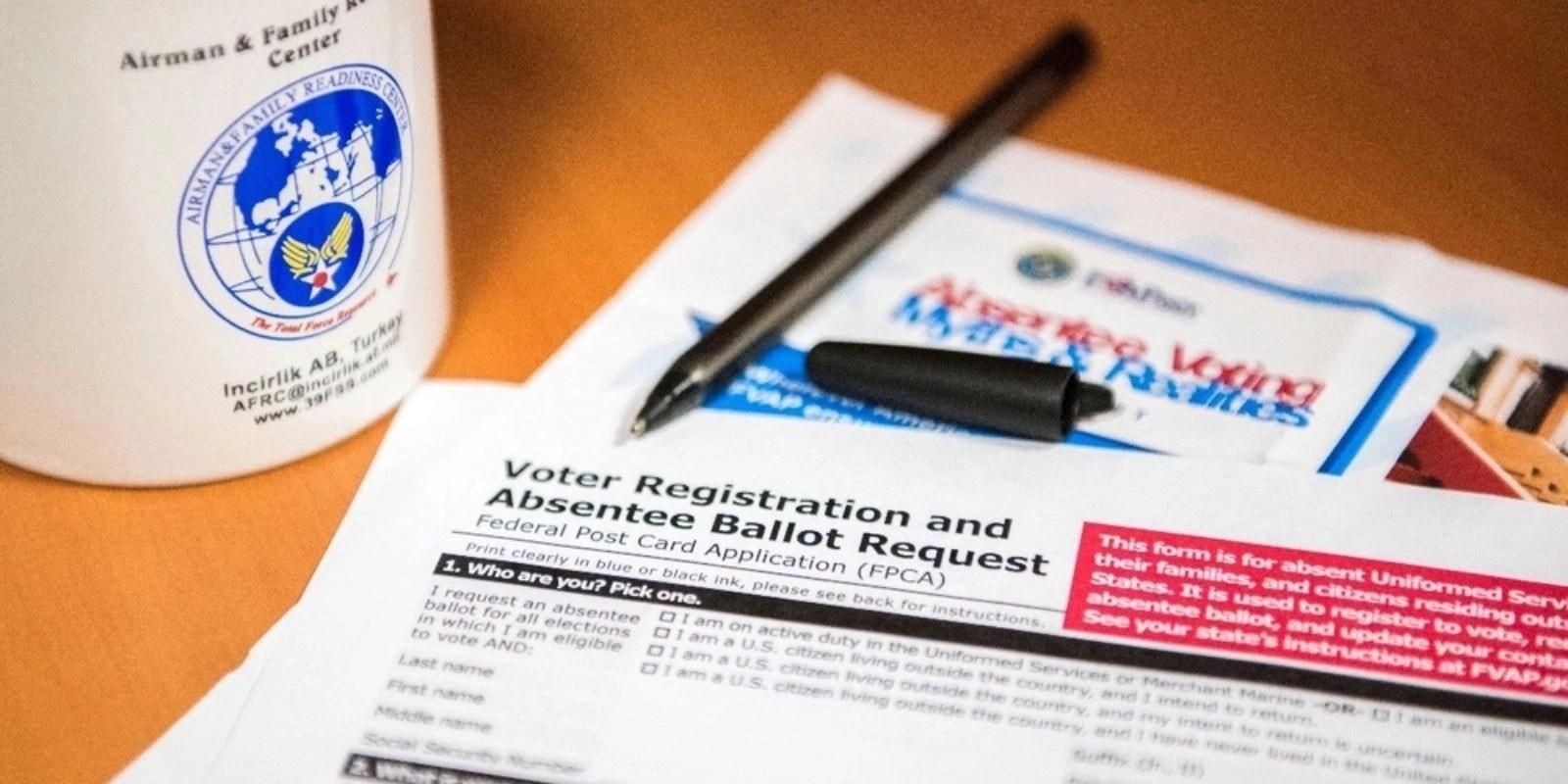
Service members voting from deployed or overseas locations already face logistical challenges. Requirements for in-person documentation or disruptions to remote registration systems could further complicate compliance and create administrative uncertainty for county election officials. Voting advocates have warned that proof-of-citizenship mandates may conflict with longstanding Federal Post Card Application (FPCA) processes.
ADVERTISEMENT
Critics’ Concerns
Opponents argue the SAVE Act is unnecessary given the rarity of voter fraud and risks creating barriers to lawful voting. Multiple independent studies show that voter fraud is extremely rare. The Brennan Center for Justice estimates incident rates between 0.0003 percent and 0.0025 percent in studied elections, with most cases involving administrative errors rather than deliberate misconduct. Other analyses have identified only a few dozen confirmed cases among hundreds of millions of ballots cast.
Military Benefits Eligibility Checker
Answer a few questions to discover which military and VA benefits you or your family may be eligible for.
10 questions • Takes about 2 minutes
Analysts at the Cato Institute note that strict identification and documentary requirements can impose real costs and administrative barriers on eligible voters, particularly those who lack readily available documents.
Additionally, the bill would elevate errors in voter certification to potential felony offenses. Opponents argue this could incentivize election officials to reject registrations or ballots when documentation is incomplete or unclear, even when voters are eligible. Although affidavits may be accepted in some circumstances, officials could face potential legal exposure in cases of erroneous certification.
What This Means Going Forward
At present, Senate Republican leaders acknowledge they lack the votes to advance the bill without altering Senate rules. Nonetheless, House Republicans and the White House continue to press for passage ahead of the November midterm elections.
If enacted, the SAVE Act would introduce new administrative requirements for voters. Because of their mobility and reliance on absentee systems, military families and overseas servicemembers would likely be among the most affected.
A bill now before the U.S. Senate would impose new documentation requirements on voters when they register and cast ballots in federal elections. If enacted, it could significantly affect how service members and military families vote.
Continue Reading
Military Voter Registration: Steps for Service Members
PCS Resources
The Love Lives On Act Advances in Congress — What’s Changed and What Happens Next
Spouse Benefits

Voting While Deployed: Military Absentee Ballot Guide
Information
Join the Conversation

BY MICKEY ADDISON
Military Affairs Analyst at MilSpouses
Mickey Addison is a retired U.S. Air Force colonel and former defense consultant with over 30 years of experience leading operational, engineering, and joint organizations. After military service, he advised senior Department of Defense l...
- PMP
- MSCE
ADVERTISEMENT

ADVERTISEMENT