Evolution of Military Rations: From Hardtack to MREs

ADVERTISEMENT
Ever wondered what really fuels a Soldier on the front lines? Sure, grit and determination play their part—but the real fuel is food. And not just any food. Over the centuries, the U.S. military has transformed its meals from rock-hard biscuits to high-tech, ready-to-eat pouches.
Military food history is a story of innovation, adaptation, and sometimes... questionable flavors. From the early hardtack days to modern MREs, here’s how soldiers’ meals have evolved to keep them strong, safe, and ready for battle.
Hardtack: The Early Military Rations

In the late 18th century, feeding the Continental Army was as basic as it gets. Early U.S. military rations included preserved meat or salt fish, bread or hardtack, and vegetables—simple, durable, and designed to last on long marches and in rough conditions.
While the menu wasn’t exactly appetizing, it kept soldiers going. To lift spirits, troops were also issued a daily spirit ration—originally 4 ounces of rum, later swapped for whiskey or brandy.
By the Civil War, alcohol was replaced with coffee and sugar, and coffee quickly became the Soldiers’ best friend. You see, hardtack was so tough it could chip a tooth, so they dunked it in coffee, fried it in bacon grease, or crumbled it into stews just to make it edible.
It wasn’t gourmet dining, but coffee mattered a lot at the time, because it helped them turn hardtack from a dental challenge into a (somewhat) edible breakfast. Pun intended.

Nobody Prepared You for Military Life
But we can help. Join over 100k spouses already getting the advice, resources, and military tea they need to thrive.
World War Rations: From Trenches to Tins
When World War I hit, military food got an upgrade. Enter the “iron ration”—a compact emergency meal featuring beef bouillon cakes, chocolate bars, and seasonings, all sealed in a tin.
Soldiers also received trench rations, which offered canned meats like corned beef and sardines. Not luxurious, but a step up from hardtack!
By World War II, the U.S. military had a whole alphabet of rations:
- A-Rations: Freshly cooked meals from field kitchens
- B-Rations: Field-cooked but without fresh ingredients
- C-Rations: Ready-to-eat canned meats for the front lines
- D-Rations: High-calorie chocolate bars for emergencies
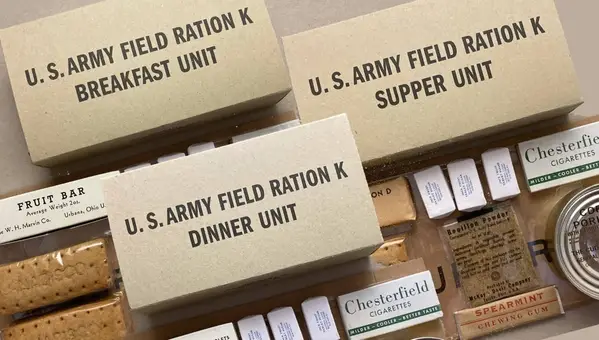
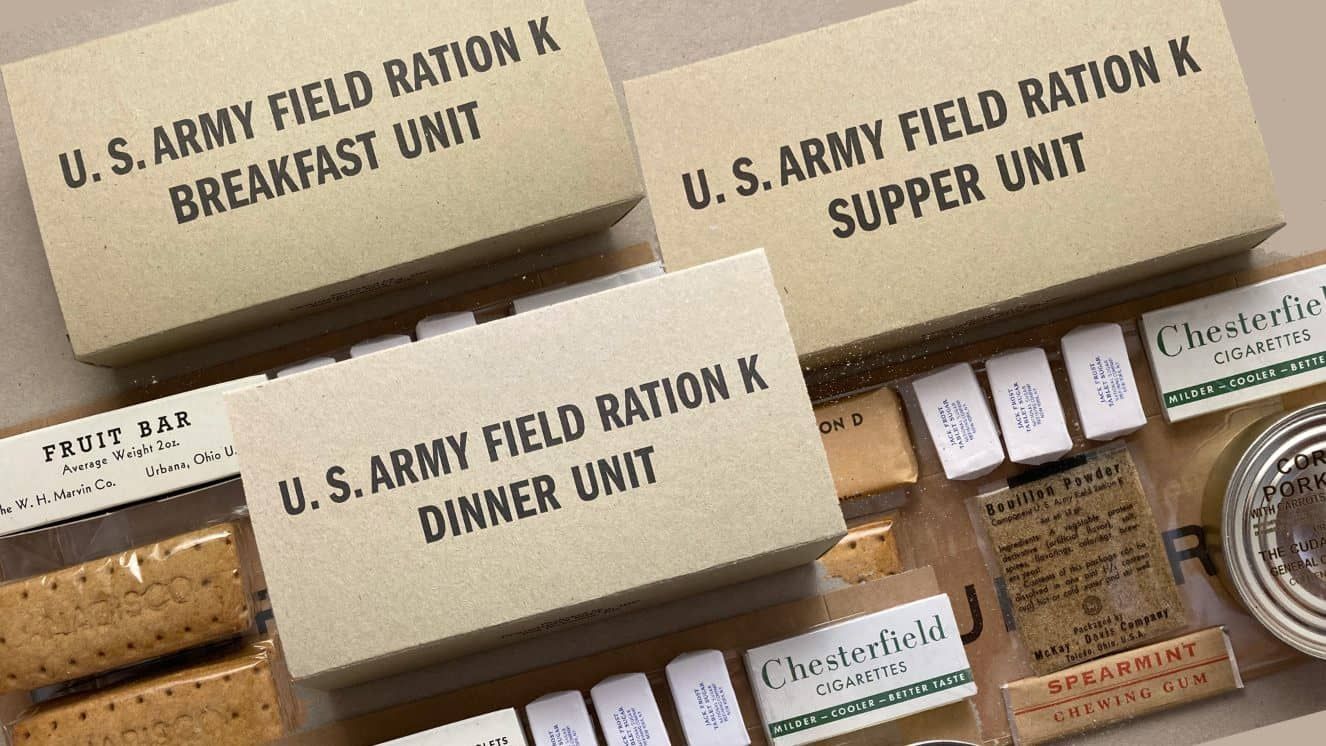
- K-Rations: Compact meals for quick, mobile missions
No, “K” doesn’t stand for “Korean BBQ” or “kinda tasty”—though we wish it did. It simply meant “keep moving,” which fits perfectly for soldiers on the go.

Meal, Combat, Individual (MCI): Rise in Military Rations
After World War II, C-rations evolved into Meal, Combat, Individual (MCI) rations.
These were still canned, sturdy, and heavy—but with a bit more structure. Menus were standardized into breakfast, lunch, and dinner, and yes, that sometimes meant canned meat for breakfast.
MCIs came in three categories:
- M-Unit: The main entrée—think turkey loaf, ham, or beef steak
- B-Unit: Breakfast basics like crackers with cheese or jam
- D-Unit: Dessert! From canned fruit to pound cake or cookies
It wasn’t fine dining, but it kept troops fueled for long missions and unpredictable conditions.

MREs: The Game Changer in Military Rations
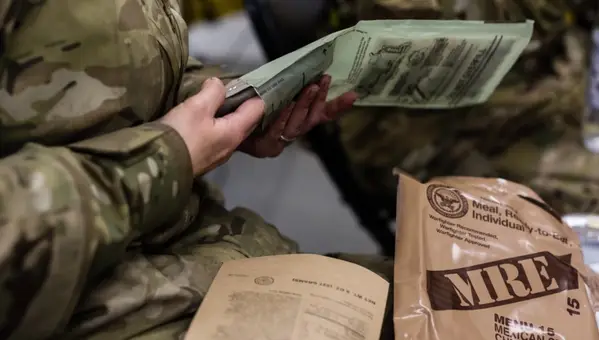
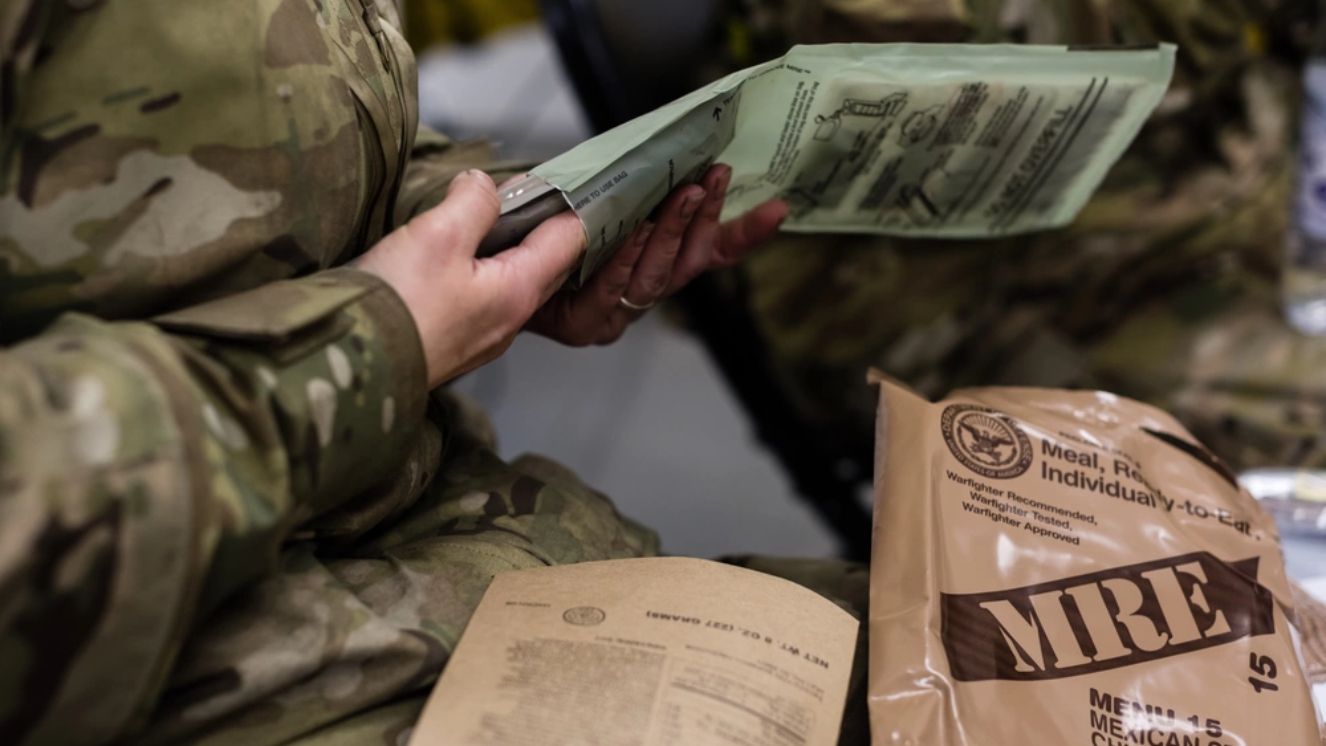
Finally, in the 1980s, the military ditched heavy cans for lightweight pouches—introducing the Meal, Ready-to-Eat (MRE). This was a game-changer.
MREs weigh less, pack easier, and survive almost anything. They can even heat themselves—just add a bit of water, wait a few minutes, and enjoy a hot meal, no stove required.
Over time, MREs have evolved to include vegetarian, vegan, and halal options, offering more variety and nutrition. While soldiers still debate their taste and texture, there’s no denying how far military food has come.
ADVERTISEMENT
Modern Military Rations: From Hardtack to High-Tech
Every stage in military food history reflects innovation and adaptation. Soldiers have endured everything from bland biscuits to heat-activated pouches—all in the name of survival and strength.
No matter the era, one truth remains constant: A good meal doesn’t just fuel the body—it fuels morale.
So next time you hear about MREs or hardtack, remember: behind every bite is a story of resilience, resourcefulness, and a little military ingenuity.
Read next:
- Hilarious and Common Military Acronyms & Their Meanings
- That Time When Project Eldest Son Fooled the Viet Cong
- Breaking the Sound Barrier: Chuck Yeager’s Historic Mission
Sources:
Continue Reading
Decades-Old MREs: Exploring Military Rations' Fascination
Military History
What’s in a K Ration - WWII Military Food for Soldiers
Military History

The Weirdest Recipes From WWII People Had to Make Because of Food Rationing
Military History
Join the Conversation

BY ALLISON KIRSCHBAUM
Veteran, Military History & Culture Writer at MilSpouses
Allison Kirschbaum is a Navy Veteran and an experienced historian. She has seven years of experience creating compelling digital content across diverse industries, including Military, Defense, History, SaaS, MarTech, FinTech, financial serv...
- Navy Veteran
- 7 years experience in digital content creation
- Expertise across Military, Defense, History, SaaS, MarTech, FinTech industries
ADVERTISEMENT

ADVERTISEMENT