The Spouse-to-Spouse Guide to Surviving Holiday Loneliness, Distance, and Family Disconnect


ADVERTISEMENT
If you’re juggling kids, managing the household, sitting alone after bedtime, or looking at cards from people you won’t see until next year, this guide is for you.
For many military families, holidays rarely match the movies or commercials. Leave isn’t always possible, and home for the holidays isn’t always an option. Spouses manage work, kids, deployments, shift schedules, and tight budgets. Unpredictable travel, airfare spikes, weather delays, and troop taskings can make it nearly impossible to plan for the ideal holiday your family deserves.
This isn’t a small problem; it’s widespread throughout our community. Blue Star Families’ recent survey shows distance and lack of social connection are the top stressors for military families. MFAN’s research adds that nearly half of military families cite cost as the main barrier to holiday travel, especially during PCS recovery years or when stationed OCONUS.
And then there’s the harder part: for some spouses, “going home” isn’t a healthy option. Family disconnect is real, especially for those navigating strained relationships, blended families, or the emotional fallout from constant moves. It’s a quiet truth rarely talked about but widely felt.
Why Loneliness Hits Harder in Military Life
Holiday loneliness doesn’t reflect weakness; it’s about circumstance or environment. Policies and patterns back this up:
- DoD leave availability varies by mission tempo, deployment cycles, duty station manning, and ship/aircraft maintenance schedules.
- Enlisted families report the most difficulty affording holiday travel, especially during E‐4 to E‐6 paygrades, according to RAND and MFAN.
- Peak-season airfare can be 30–70% higher than fall baselines, per consumer travel indexes.
- Around 60% of military families live more than 500 miles from their closest family support network.
- PCS cycles disrupt community bonds on a 2–4-year rotation, making spouses more vulnerable to holiday isolation.
The emotional pressure is real. Military life’s pace and cost mean not everyone gets a Hallmark holiday.

Nobody Prepared You for Military Life
But we can help. Join over 100k spouses already getting the advice, resources, and military tea they need to thrive.
What Actually Helps: Real, Evidence-Backed Strategies from Military Spouses
Across spouse networks, MFAN surveys, Military OneSource counseling data, and community best practices, a clear set of strategies consistently emerges: practical, manageable, and grounded in lived experience.
1. Build a “Micro-Holiday” Where You Are
Trying to recreate childhood holidays usually backfires with distance and duty. The first step for anyone trying to find their new traditions is to let go of all the self-imposed pressure and expectations.
Gretchen R., an Army spouse at Fort Campbell told us, “We have had the happiest holidays when we focus on small, intentional traditions instead of trying to replicate old ones.”
Examples that have worked for Gretchen and her family include: making a special dessert together, starting a holiday movie ritual, or a pajama day; adding the importance of calling deployed parents at a set time to avoid added stress.
2. Use Your Installation’s Real Resources; They Matter More Than You Think
Family readiness centers, chaplains, MWR, USO centers, and spouse clubs all run holiday programming, especially for families without leave. These are not filler events; they’re proven connection points and can create core memories for the whole family.
Military OneSource’s counseling utilization data shows increased emotional well-being for spouses who attend at least one structured social event per month during the holiday season. The same holds true for kiddos, too. Our parenthood and their childhood deserve the best we are able to provide.
ADVERTISEMENT
3. Split the Day, Not the Season
If your spouse is on duty or deployed, many families create a “second holiday” on another day. The way you celebrate is what your family will remember. Not the date on the calendar. Creating a happy home through routines that flow for your family reduces holiday stress for service members who work irregular hours.
4. Set Boundaries with Family, Especially If Going Home Isn’t Healthy
This is too real for many spouses. Moves, mismatched expectations, or old conflicts make holiday visits risky. Mental health counselors note that boundary-setting improves family stability, especially with long-distance pressure.
Healthy boundaries can include: clear communication, time limits on calls, less social media use, or a no-stress holiday agreement between partners.
5. Use Tech in Intentional, Not Draining Ways
Spouses consistently report that marathon FaceTime calls exhaust them more than they help. However, short, scheduled calls or simple photo-sharing check-ins actually strengthen family connections without putting pressure on anyone.
Instead of feeling compelled to stay on extended FaceTime calls while you attempt to multitask through the rest of your day, make every connection point intentional and meaningful.
Use relationship apps to suggest question prompts to ask each other, or take turns playing WordsWithFriends, or other virtual games. Think, “What will fill each other’s cup?” not falling into the habit of unintentionally draining each other’s cup. Our quality of connection matters, not the quantity.
ADVERTISEMENT
6. If You’re Struggling, Get Support Early
Military OneSource, confidential non-medical counseling, unit chaplains, and local community mental health providers all see increased holiday traffic for good reason.
Loneliness isn’t an emergency, but letting it build can become one. DoD data shows that early intervention lowers the risk of holiday-related depression.
Admitting you’re depressed may feel taboo during the holidays. But recognizing that you and your family deserve the happiest version of yourself can give you the strength you need to follow through on reaching out.
7. Redefine “Family” to Include the People Around You
Spouse surveys show the strongest protection against loneliness is local connections with other military families, not necessarily blood relatives.
Potlucks, cookie swaps, playground meetups, restaurant dinners with other spouses, or a “misfit holiday dinner” are real, proven coping tools.
“The cookie exchange is something we look forward to every year, and we’ve been lucky enough to find one at every base we’ve lived on so far,” shares Krista M., a Navy spouse at Naval Station Norfolk.
When You’re the Spouse Holding Everything Together
Military spouses often see their loneliness as personal failure. It’s a learned feeling, and one we can learn to forget. Military spouse research shows this is structural, predictable, and common across the military community.
You are not the only one spending Christmas Eve solo.
You are not the only one wishing the flights were cheaper.
You are not the only one skipping a visit home to maintain boundaries or preserve your peace.
Your stability in this season is not a luxury; it’s readiness.
ADVERTISEMENT
You Are Doing the Hardest Part in the Hardest Season
You deserve more grace than you have given yourself before. Holiday loneliness isn’t a character test but a test of circumstances. Military spouses face distance, domestic pressure, and financial strain on a level that most civilian spouses can’t comprehend. These are living, breathing struggles. Challenges so hard that unless you’ve found your way through them before, they are nearly impossible to relate to.
This is a major contributor to the isolation that comes as a result of loneliness, even when it's self-inflicted. We tend to curl up in a ball and hide when we feel overwhelmed, exhausted, or lost. We’d rather choose to numb ourselves in hiding, rather than reach out with real need. We don’t want to burden, complain, or take time away from our kids. We convince ourselves that “we’re fine,” and it’ll pass. And it probably will. That doesn’t change the fact that you still deserve the support you need right now. Not later. Not when it passes.
Your situation is real. So are your feelings.
These tools and suggestions have helped other military families adjust to having happier holidays in a whole new way - and they can help your family too.
Continue Reading
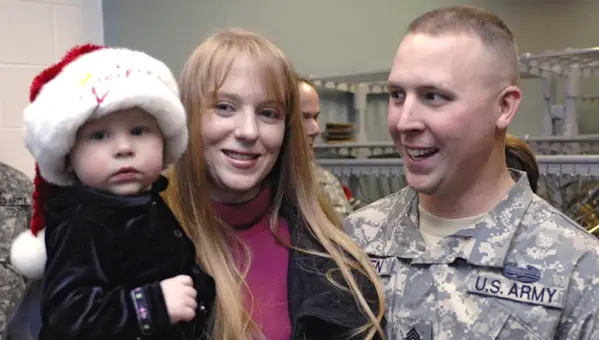
Military Spouses: Navigating Holidays Without Service Members
Relationship Advice

When the Holidays Feel Heavy: How Military Families Create Light in the Hardest Seasons
Relationship Advice

Supporting Deployed Spouses: Essential Tips for Military Families
Relationship Advice
Join the Conversation

BY NATALIE OLIVERIO
Veteran & Senior Contributor, Military News at MilSpouses
Natalie Oliverio is a Navy Veteran, journalist, and entrepreneur whose reporting brings clarity, compassion, and credibility to stories that matter most to military families. With more than 100 published articles, she has become a trusted v...
- Navy Veteran
- 100+ published articles
- Veterati Mentor
ADVERTISEMENT

ADVERTISEMENT