TAPS Good Grief Camp: Finding Community and Healing After Military Loss

ADVERTISEMENT
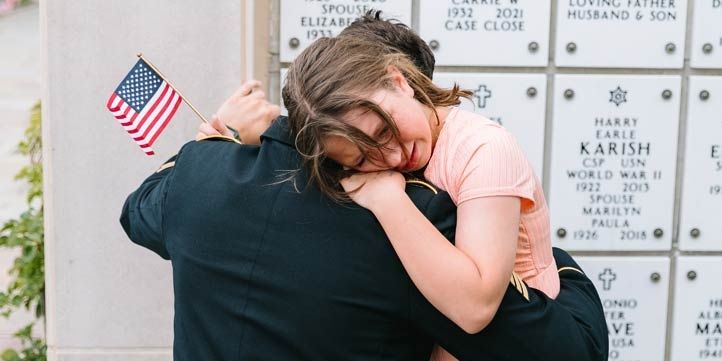
For many military families, Memorial Day is deeply personal, and its meaning stretches far beyond the annual holiday. It’s an empty chair at graduation, the folded flag on the mantle, and the birthday that still gets marked on the calendar, even after they’re gone.
That reality is exactly why the Tragedy Assistance Program for Survivors, better known as TAPS, will bring an estimated 2,000 to 3,000 surviving military family members together outside Washington, D.C., later this month for its 32nd Annual National Military Survivor Seminar and Good Grief Camp.
The event, scheduled for May 21 through May 25 in Arlington, Virginia, is expected to become the nation’s largest annual gathering of families grieving the death of a military or Veteran loved one. The weekend is designed for surviving spouses, children, parents, siblings, caregivers, and battle buddies navigating loss tied to military service, whether that death happened in combat, training, illness, suicide, or accident. For military families carrying grief long after casualty officers leave and funeral processions end, this is a meaningful event they not only plan for but look forward to.

Why TAPS’ Memorial Day Weekend Gathering Matters
Memorial Day can hit surviving families differently than it hits the rest of the country. While much of America moves into cookouts and long weekends, many survivors describe the holiday as emotionally exhausting. Photos resurface online, ceremonies replay memories families spend all year trying to carefully manage, and children often begin asking harder questions as they get older and better understand death.
Military survivors often say the hardest stretch in their journey with grief begins after public attention disappears. That first realization of the quiet, the absence, the missing piece is very painful. That’s the space where TAPS has built its mission.
Founded in 1994 by Bonnie Carroll after the death of her husband, Brig. Gen. Tom Carroll, TAPS was created to fill what survivors said was a major gap in long-term support for military families after loss. Today, the nonprofit provides peer mentorship, grief counseling resources, survivor retreats, casework assistance, youth programs, and a 24/7 helpline at no cost to families.
“Our National Military Survivor Seminar and Good Grief Camp brings together families united by loss and bound by love, offering a place where they are understood without explanation and supported without hesitation,” Carroll said in a statement announcing the event.
“When my husband died, my kids suddenly felt like outsiders in their own schools. Coming to Good Grief Camp was the first time they didn't have to explain why they were sad,” shared one surviving spouse who attended a recent seminar. “They just got to be kids again, surrounded by mentors who actually get it.”
For some surviving spouses, particularly younger widows and widowers with children, the financial and emotional fallout after a military death can reshape nearly every part of daily life at once. Housing changes, careers stall, kids struggle in school, and entire support systems disappear after relocation or separation from military communities. That pressure tends to intensify around Memorial Day.

Nobody Prepared You for Military Life
But we can help. Join over 100k spouses already getting the advice, resources, and military tea they need to thrive.
Inside the TAPS Good Grief Camp
One of the most recognized parts of the weekend is the TAPS Good Grief Camp, a program built specifically for children grieving the death of a military or Veteran loved one. The camp pairs military children with military mentors while licensed professionals and child development experts lead age-appropriate activities focused on grief processing, emotional regulation, peer connection, and remembrance.
Children participate in workshops, games, memorial projects, crafts, and group activities designed to help them process grief without isolating themselves from it. Some carry photos of their parent or loved ones on lanyards throughout the weekend, moving between activities with volunteer military mentors beside them. For many kids, it is the first time they have met another child who understands what it means to lose someone connected to military service.
TAPS says surviving children often arrive withdrawn or anxious, especially those attending for the first time. By the end of the weekend, many have formed friendships with other military children carrying nearly identical experiences. Military families tend to carry grief differently than civilian families do.
Children grieving military-connected deaths are often processing not only loss, but the public identity attached to the death itself. Some lost parents in combat. Others lost loved ones to suicide or service-related illness. Many families carry layers of trauma they do not openly discuss outside survivor spaces. People often think survivor support is mostly counseling, but a major part of recovery for military families is rebuilding the community after loss fractures everything you used to know.

Workshops, Memorial Events, and Survivor Support
Alongside Good Grief Camp programming, adult survivors and young adults ages 18 and older attend workshops centered on trauma, grief, mental health, resilience, and long-term healing. Families will also visit Arlington National Cemetery and attend Memorial Day observances honoring the fallen.
This year’s featured guests are expected to include Department of Veterans Affairs Secretary Douglas A. Collins, celebrity chef and Veteran Robert Irvine, and actor Robert Patrick, a longtime TAPS supporter. But for most attendees, the weekend is less about public figures and more about finally being in rooms where nobody has to explain military loss to the people around them.
Military survivors often describe exhaustion from constantly translating their grief for civilians who mean well but can’t fully relate to casualty notifications, survivor benefits systems, line-of-duty investigations, or the long emotional shadow military deaths leave behind.
Who Can Access TAPS Services
TAPS services are available nationwide to anyone grieving the death of a military or Veteran loved one. That includes spouses, children, parents, siblings, fiancés, caregivers, and battle buddies. Services are provided regardless of cause of death or branch of service.
In addition to the National Military Survivor Seminar and Good Grief Camp, the organization provides year-round peer mentoring, casework support, online groups, regional survivor events, grief resources, and a 24/7 National Military Survivor Helpline at 800-959-TAPS (8277). To learn more or access resources, visit taps.org.
For families carrying military loss in silence, Memorial Day weekend can feel brutally isolating. TAPS is trying to interrupt that isolation before it hardens into something long-term. For many surviving military families, healing doesn’t begin with closure; it starts when somebody else quietly says, “You too?”
Continue Reading
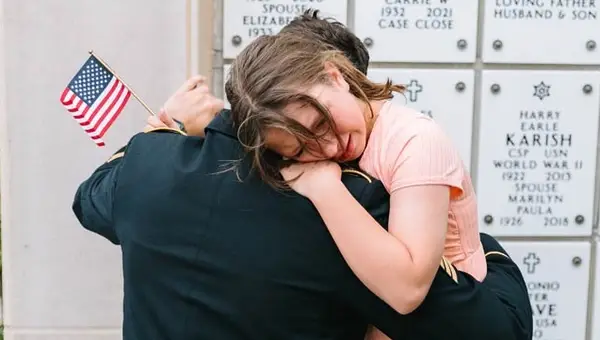
Here's How the Tragedy Assistance Program for Survivors Helps Families
Relationship Advice
Join the Conversation

BY NATALIE OLIVERIO
Veteran & Senior Contributor, Military News at MilSpouses
Natalie Oliverio is a Navy Veteran, journalist, and entrepreneur whose reporting brings clarity, compassion, and credibility to stories that matter most to military families. With more than 100 published articles, she has become a trusted v...
- Navy Veteran
- 100+ published articles
- Veterati Mentor